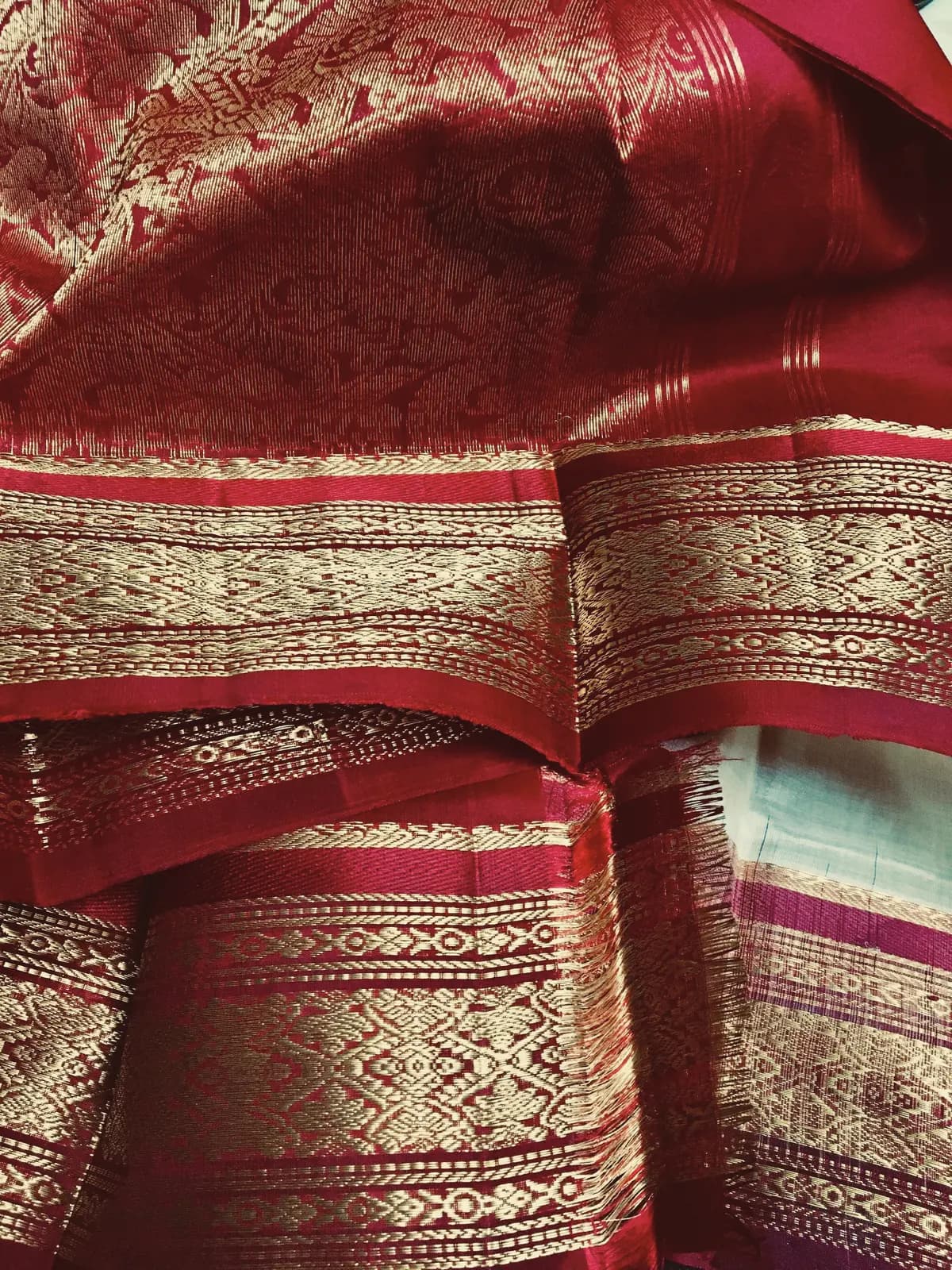
No. 01Handloom
Silk sari with a zari border
Price on requestEnquire
सूत्रायणHandloom · Art · Antiques · Home
Handwoven saris and textiles, paintings, antiques and pieces for the home. Each one chosen by hand, each with the story of who made it. Visit the studio in Jaipur, or ask for any piece on WhatsApp.
iThe studio
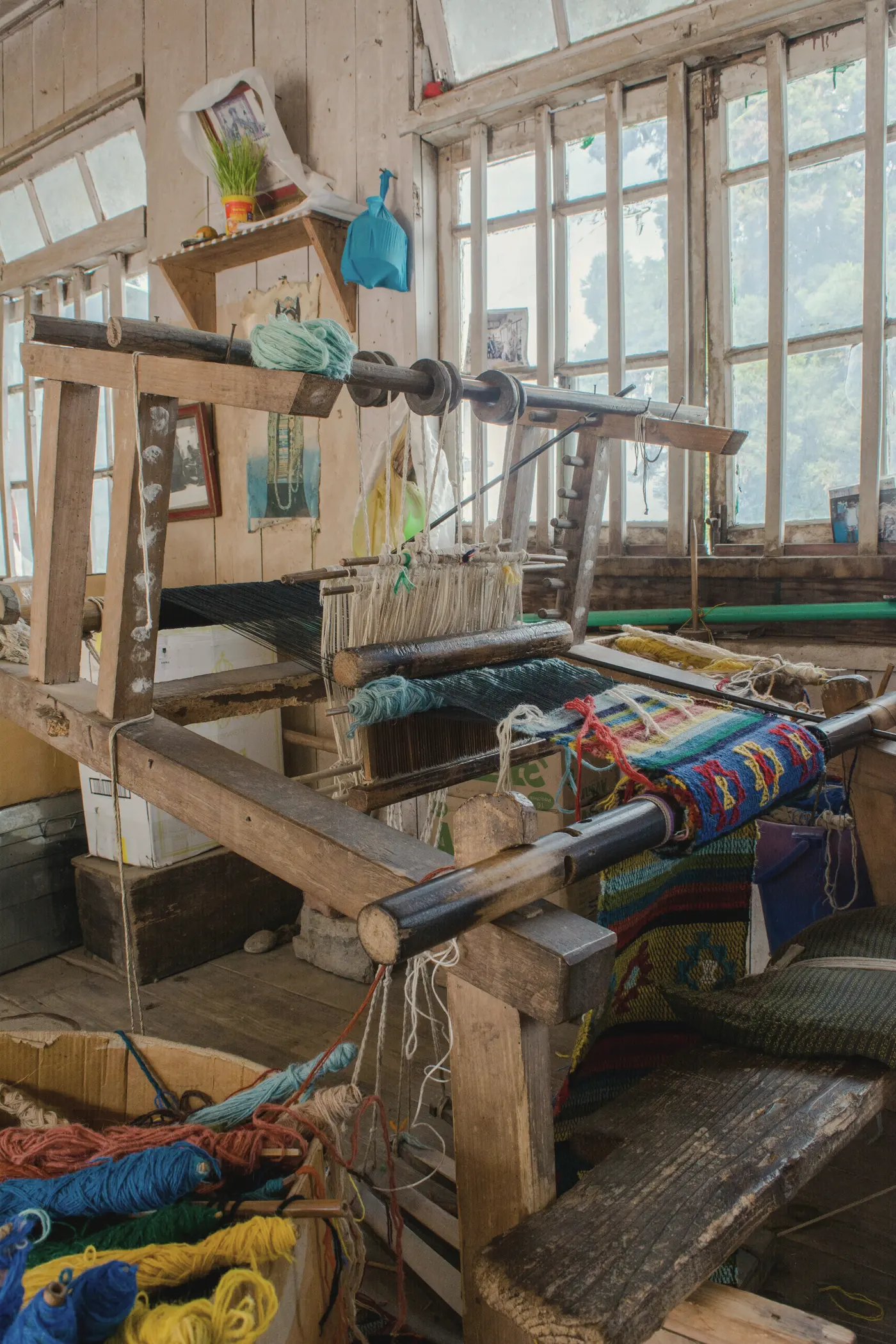
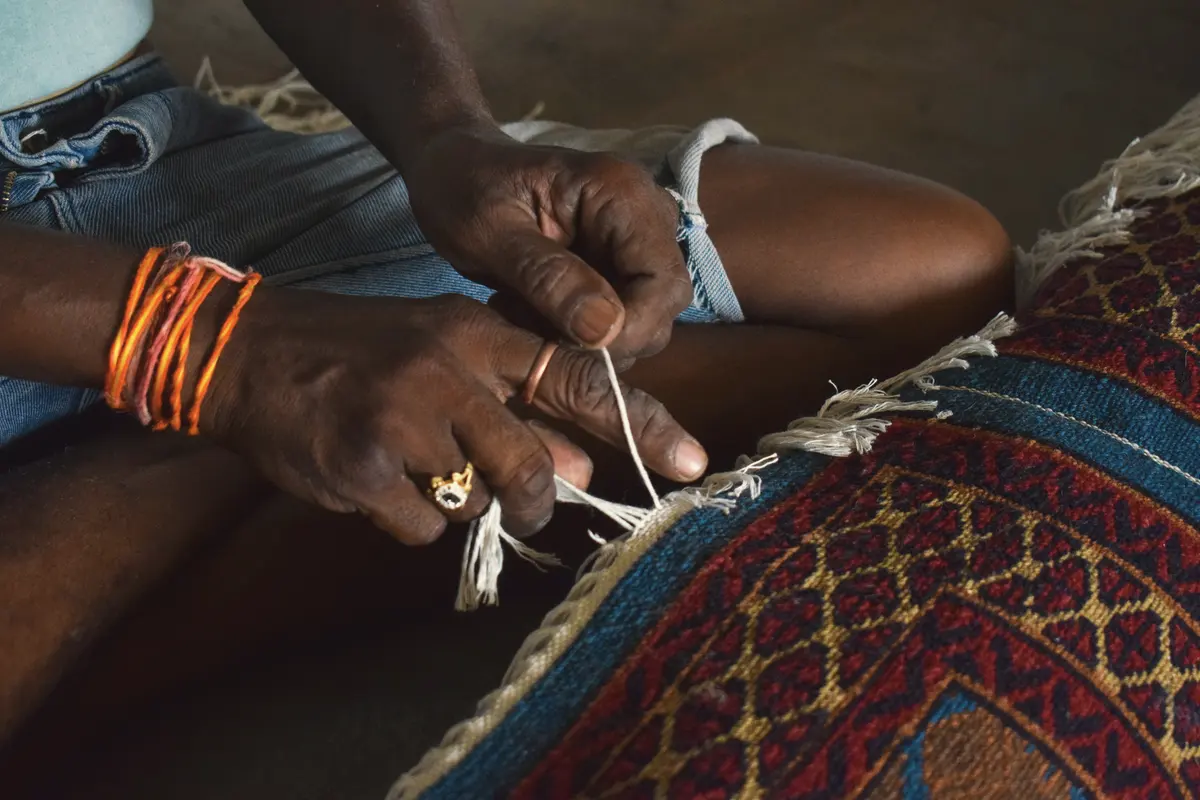
Sutrayana is a small studio for things made by hand in India: cloth woven on a loom, paintings painted stroke by stroke, and old objects that have already lived one life. We choose slowly, we tell you who made each piece and how, and we would rather you keep one thing for a lifetime than buy ten you forget.
72%
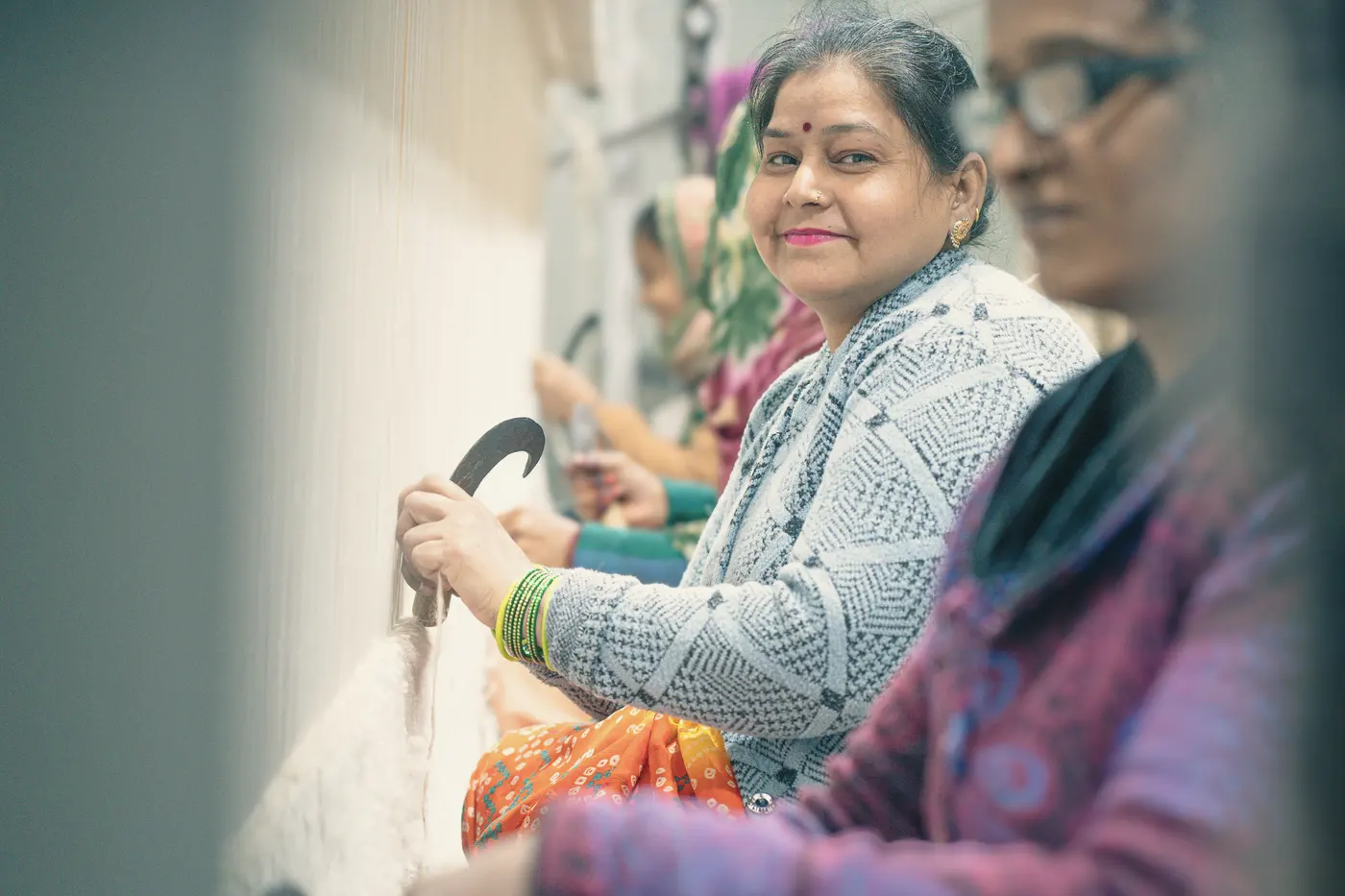
of India's 35.22 lakh handloom weavers and allied workers are women.
Source: Fourth All India Handloom Census 2019–20, as stated in the Rajya Sabha, March 2020.
Behind most handwoven cloth is a woman's skill. Choosing handloom keeps that work valued, visible and paid for.
iiThe collection
Cloth from the loom, paintings for the wall, old things with a past, and the pieces that make a room feel lived in.
Everything: 11 pieces shown
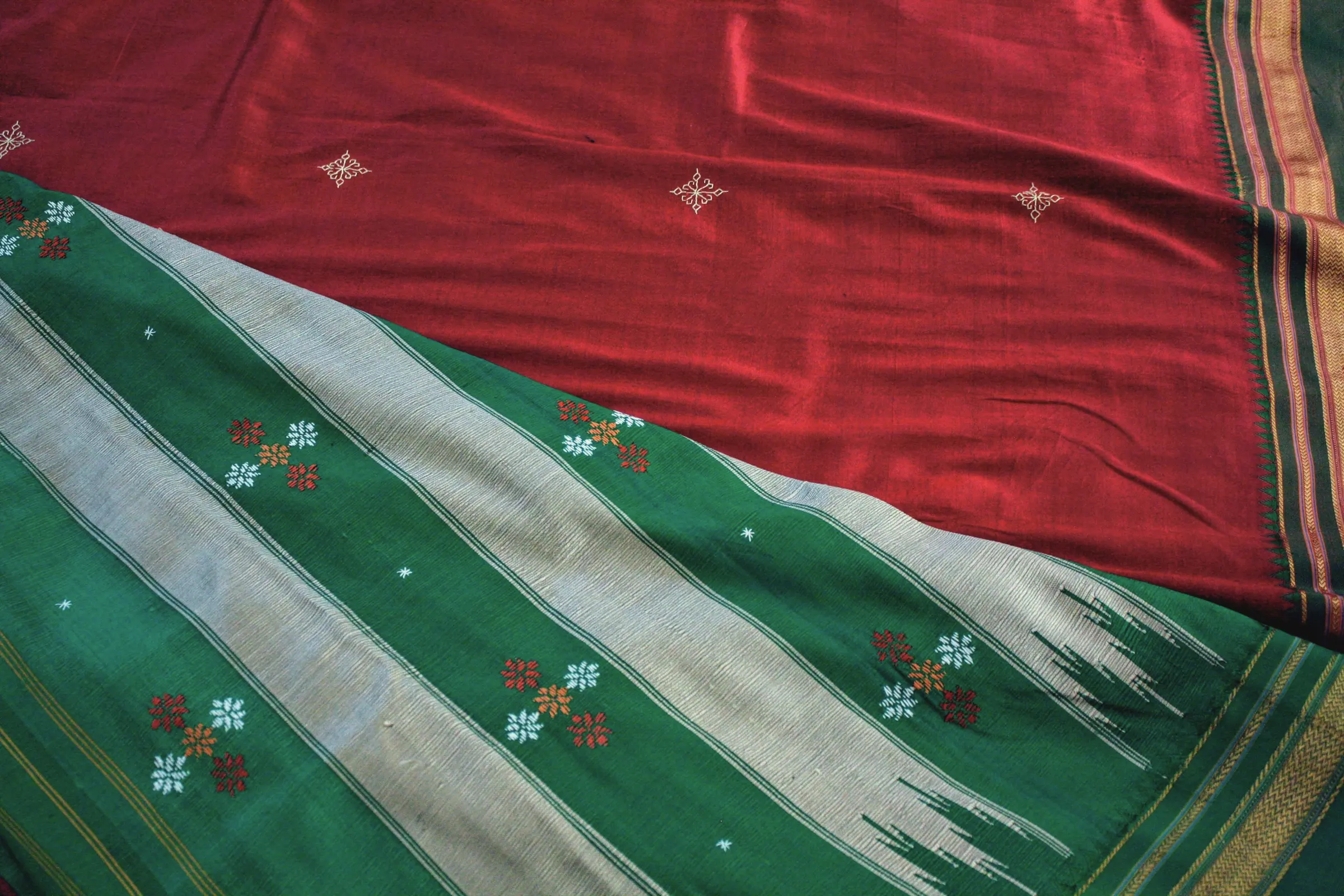
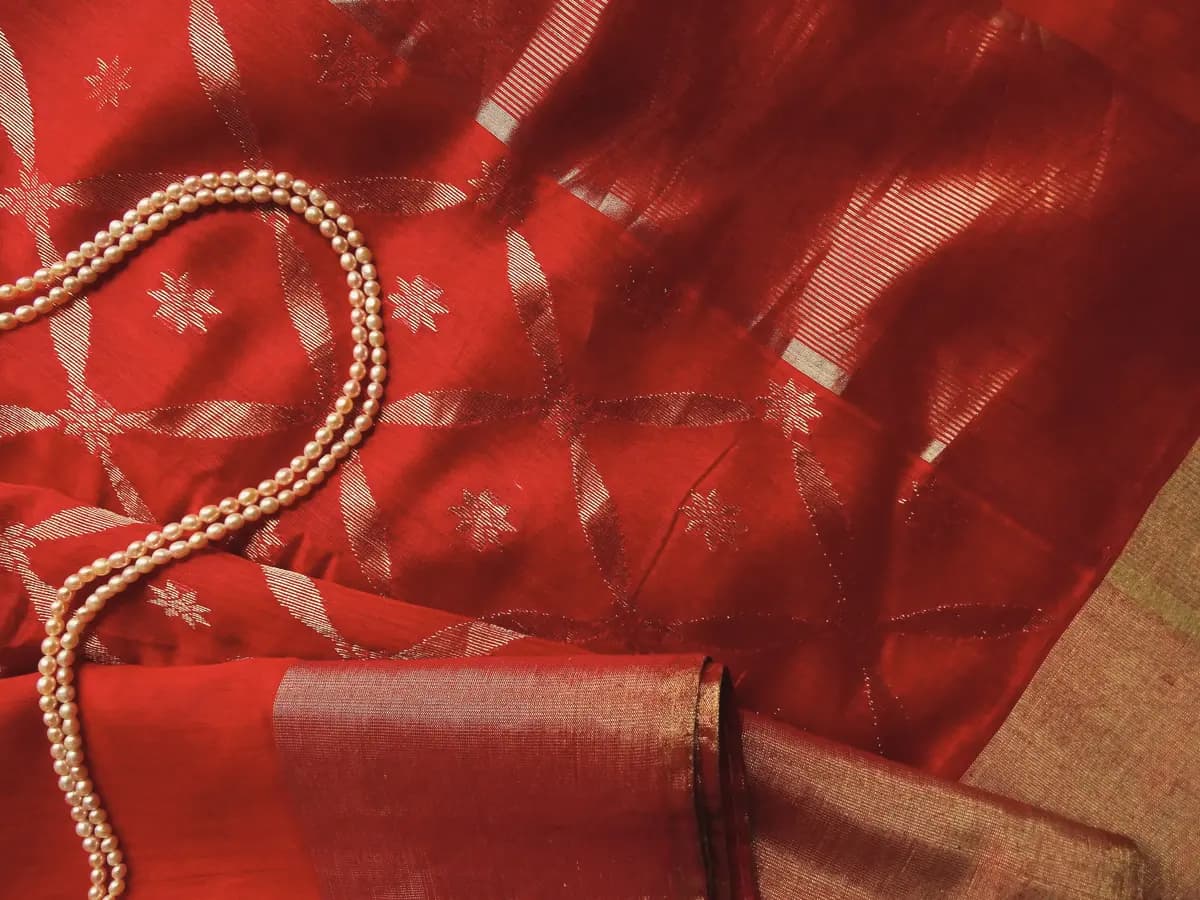
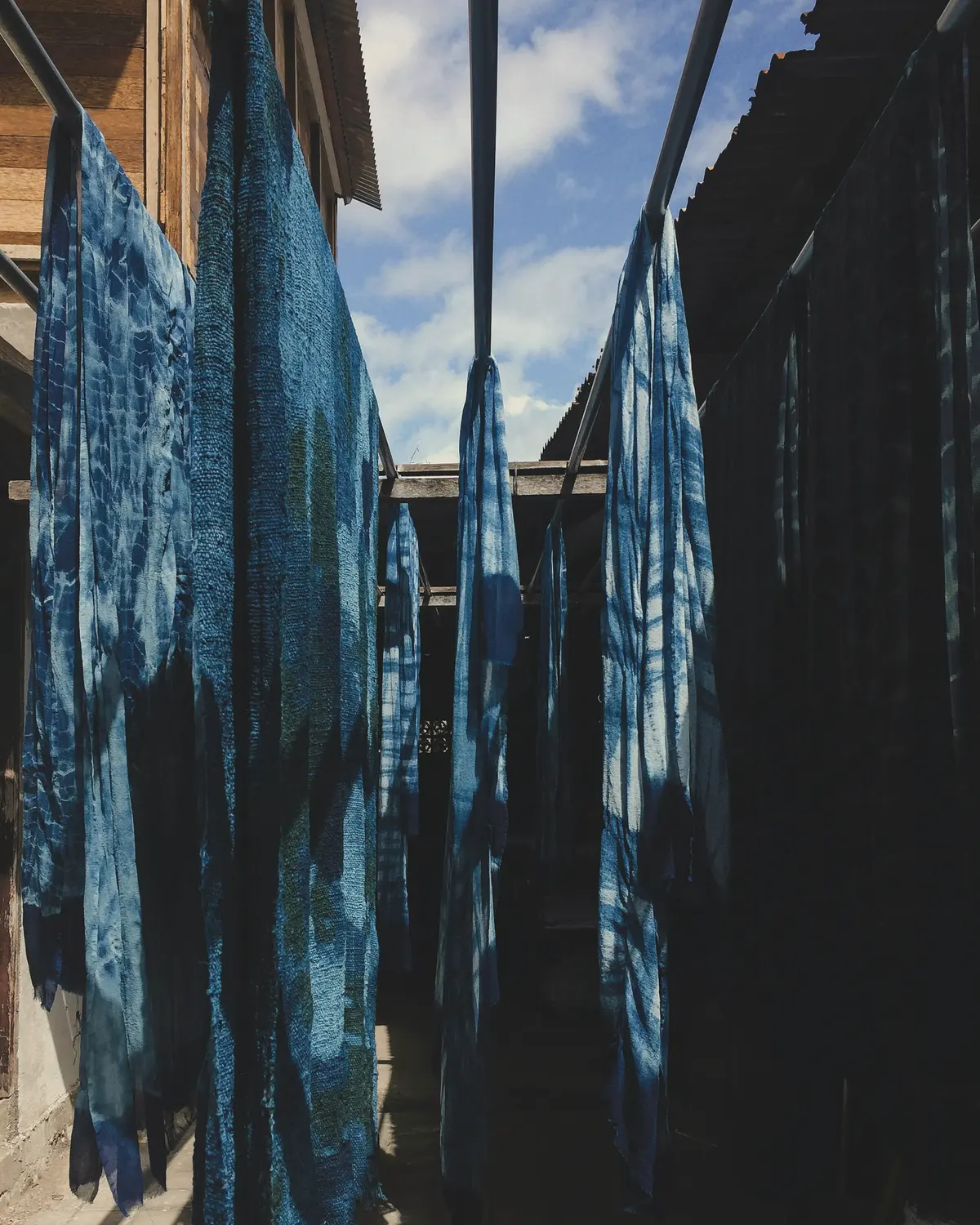
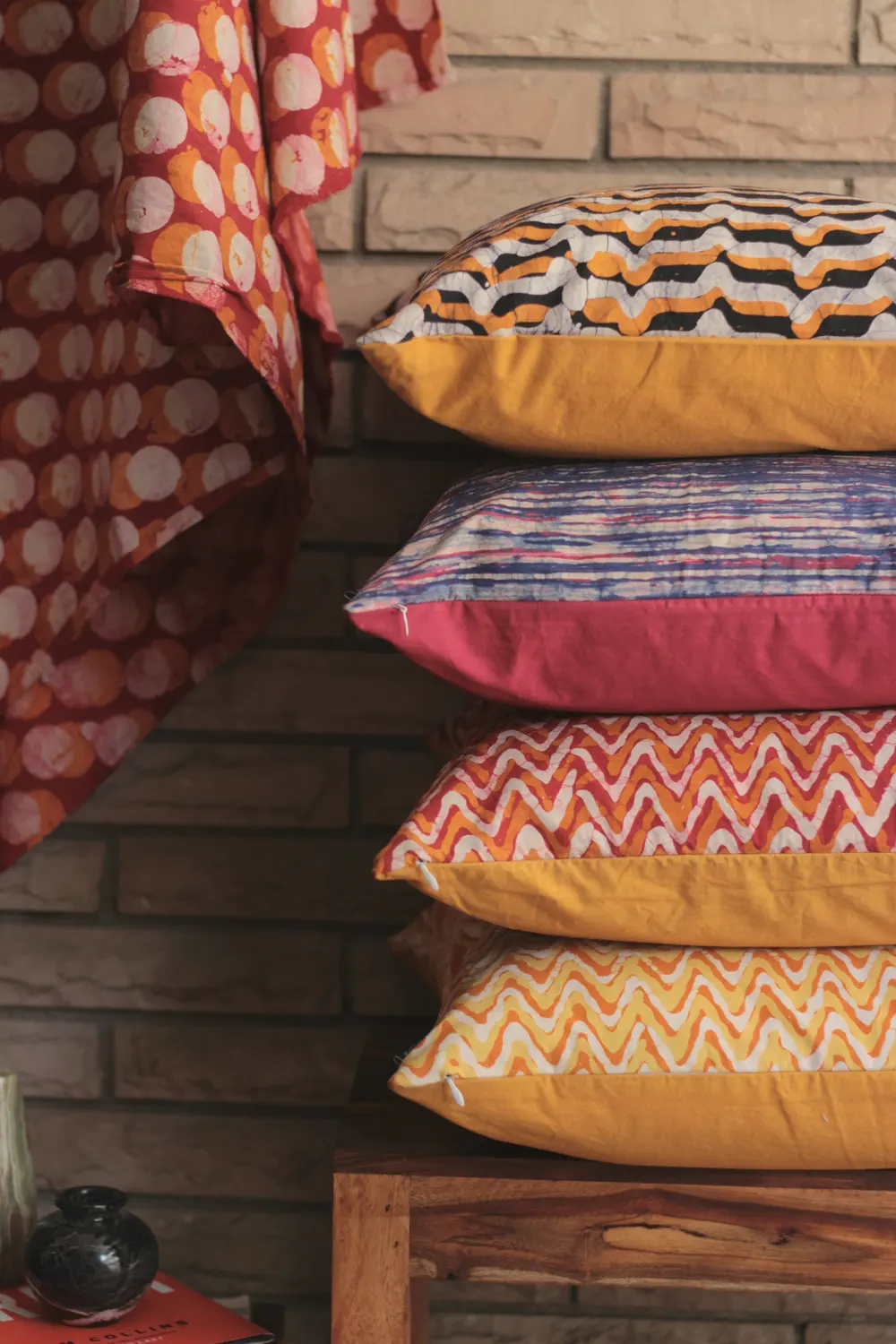
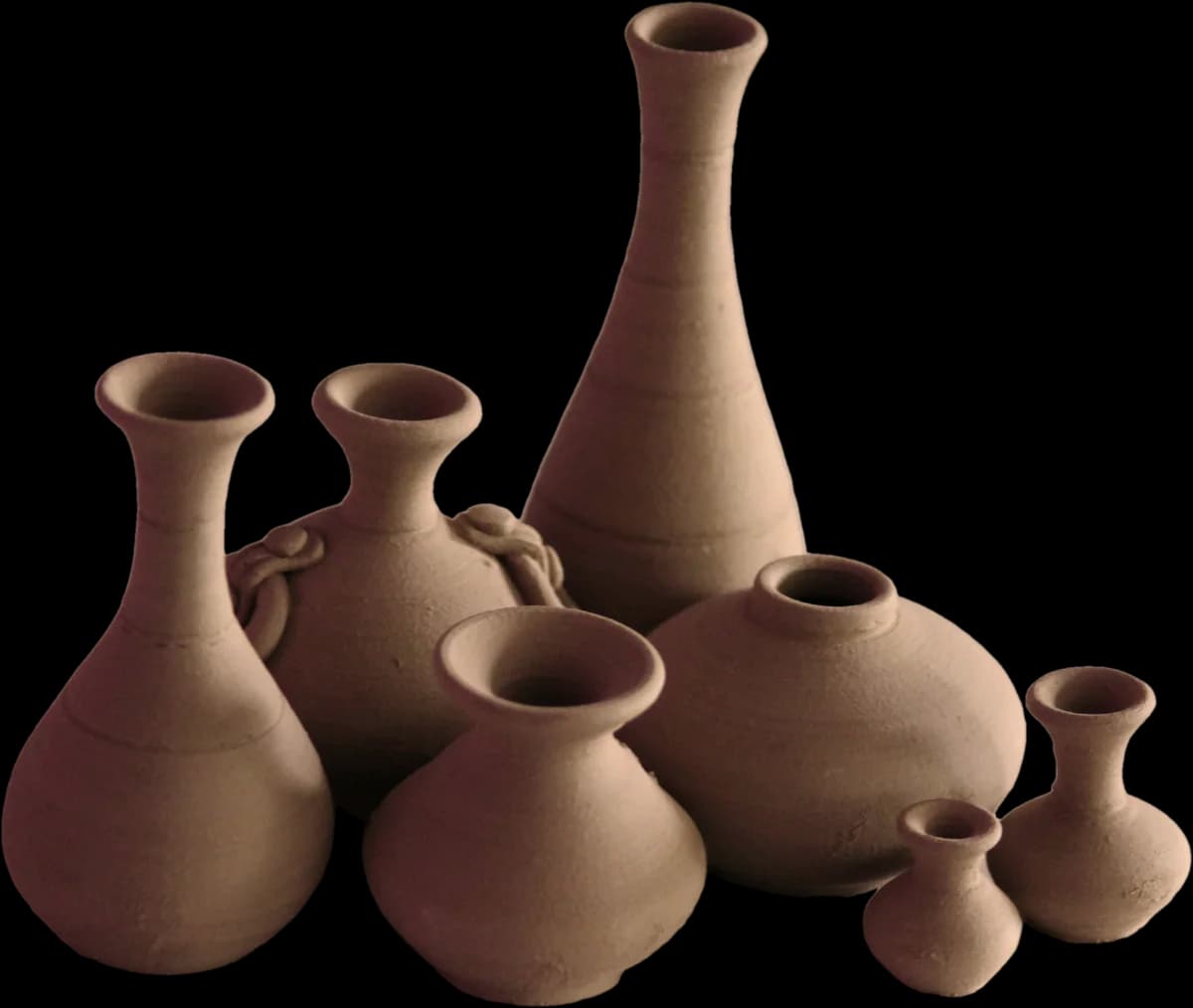
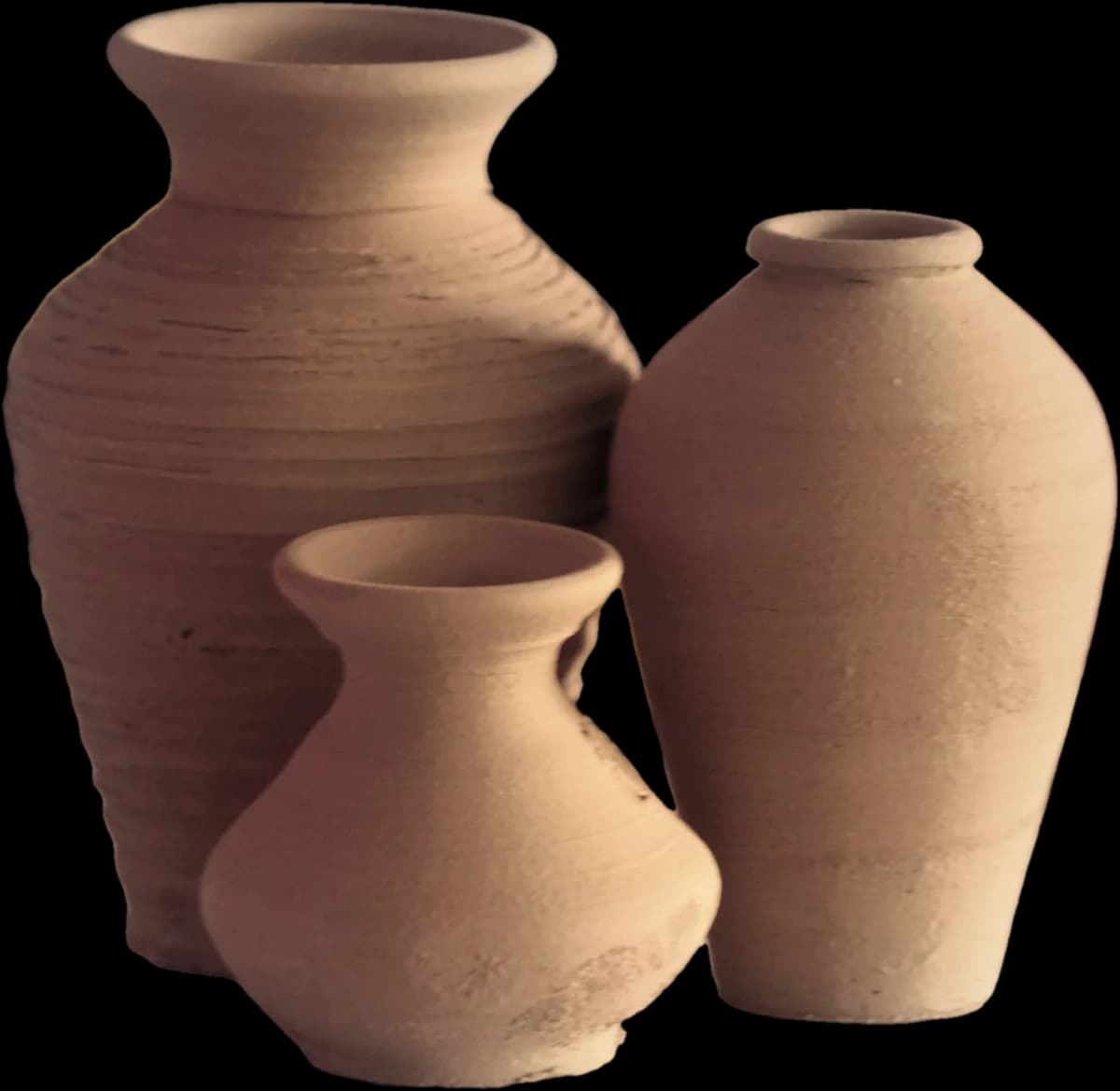
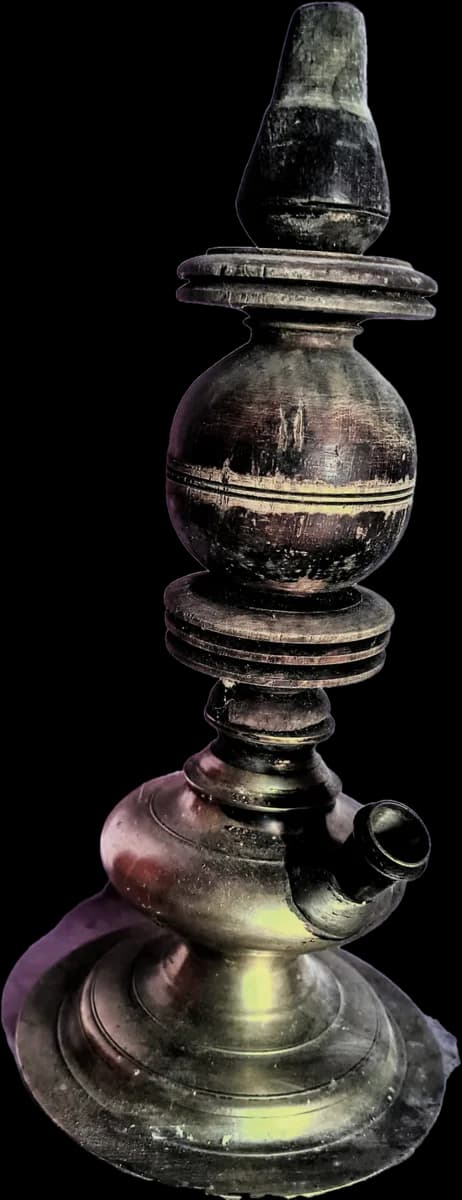
Age and condition: [to confirm]
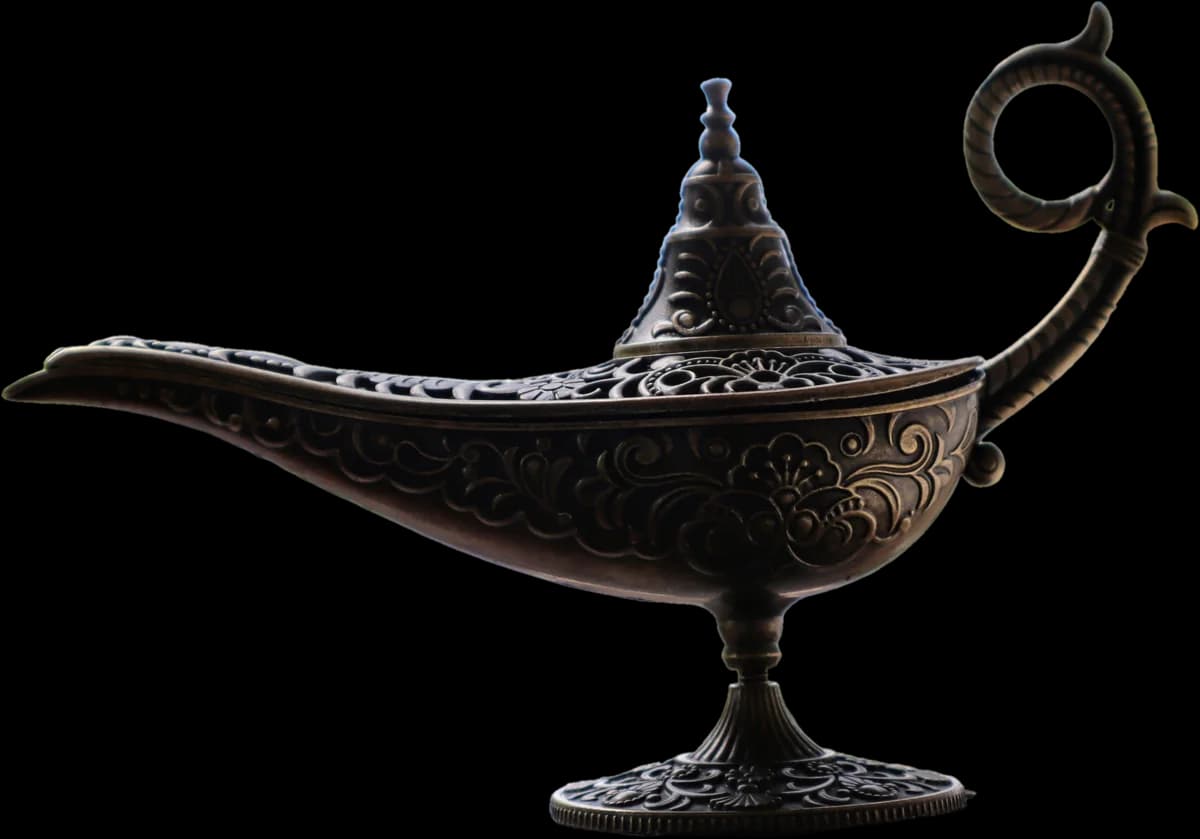
Age and condition: [to confirm]
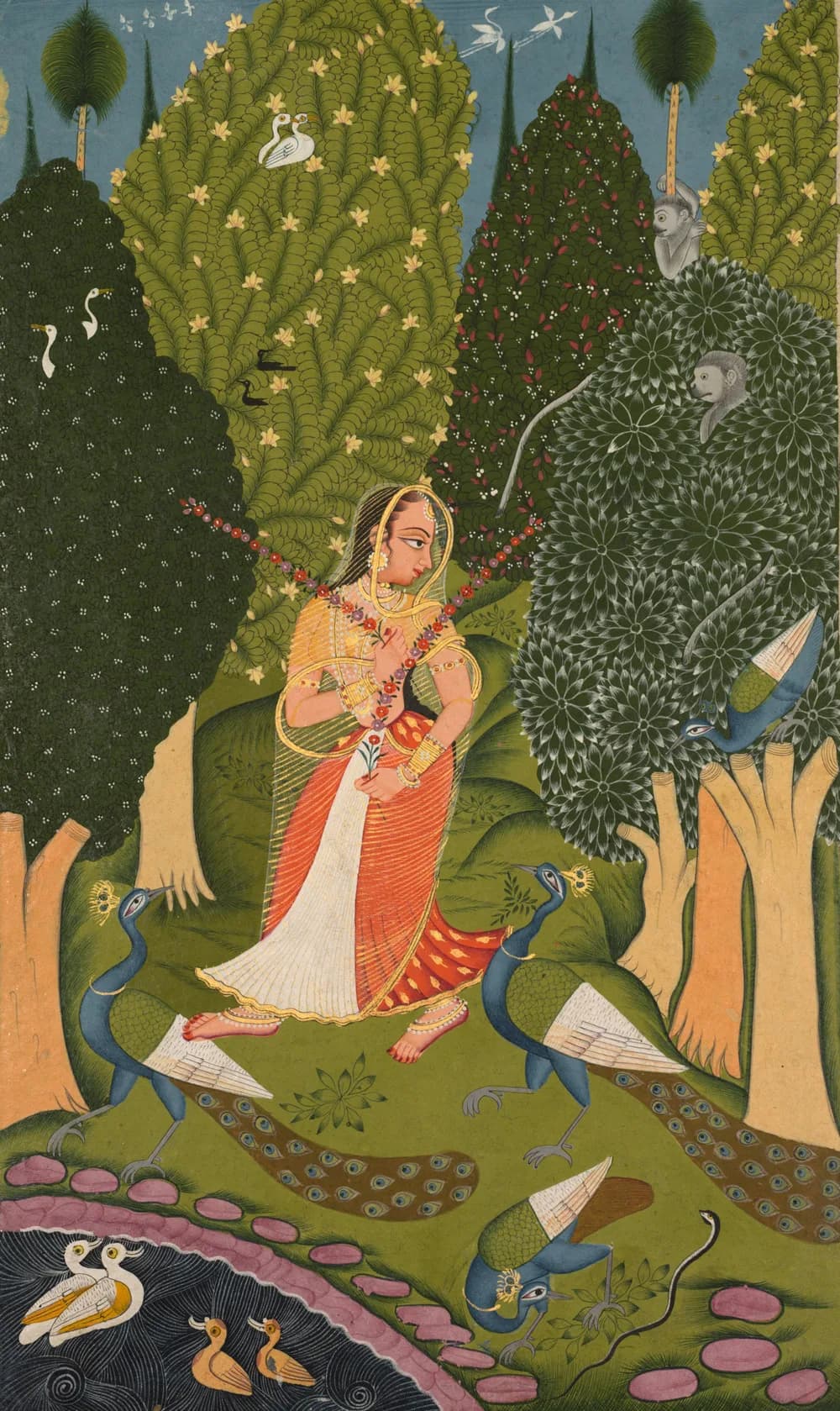
Stand-in image: Gaudi Ragini, c. 1780–1800, Cleveland Museum of Art, Open Access
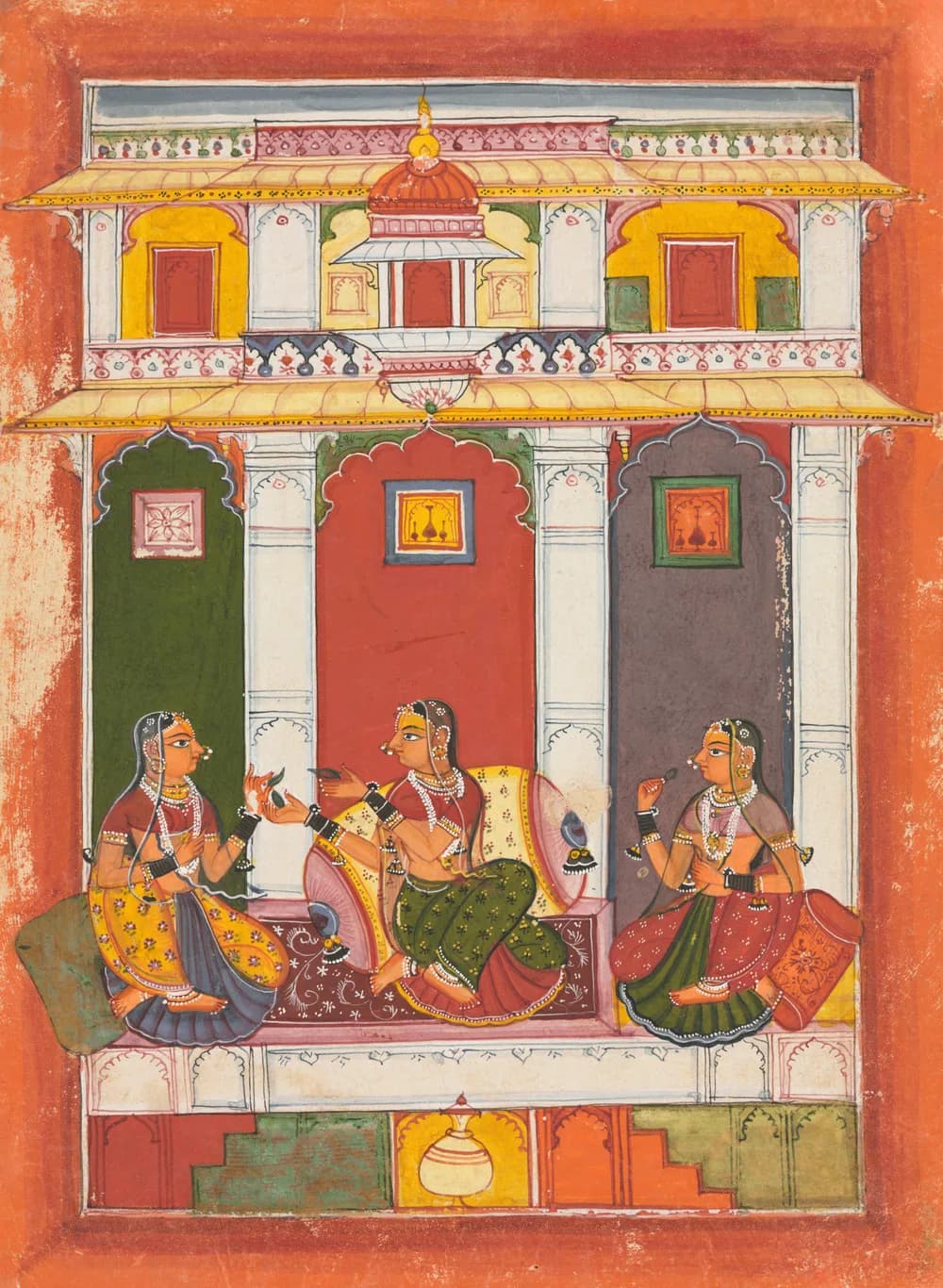
Stand-in image: Gunakali Ragini, 1675–1725, Cleveland Museum of Art, Open Access
iiiLook closer
Move the glass across the cloth. Four things to look for before you buy any handwoven piece, from us or from anyone else.
General guidance, drawn from Mavuri: real vs fake handloom and Online Clothing Study: recognising handloom.
ivThe dye room
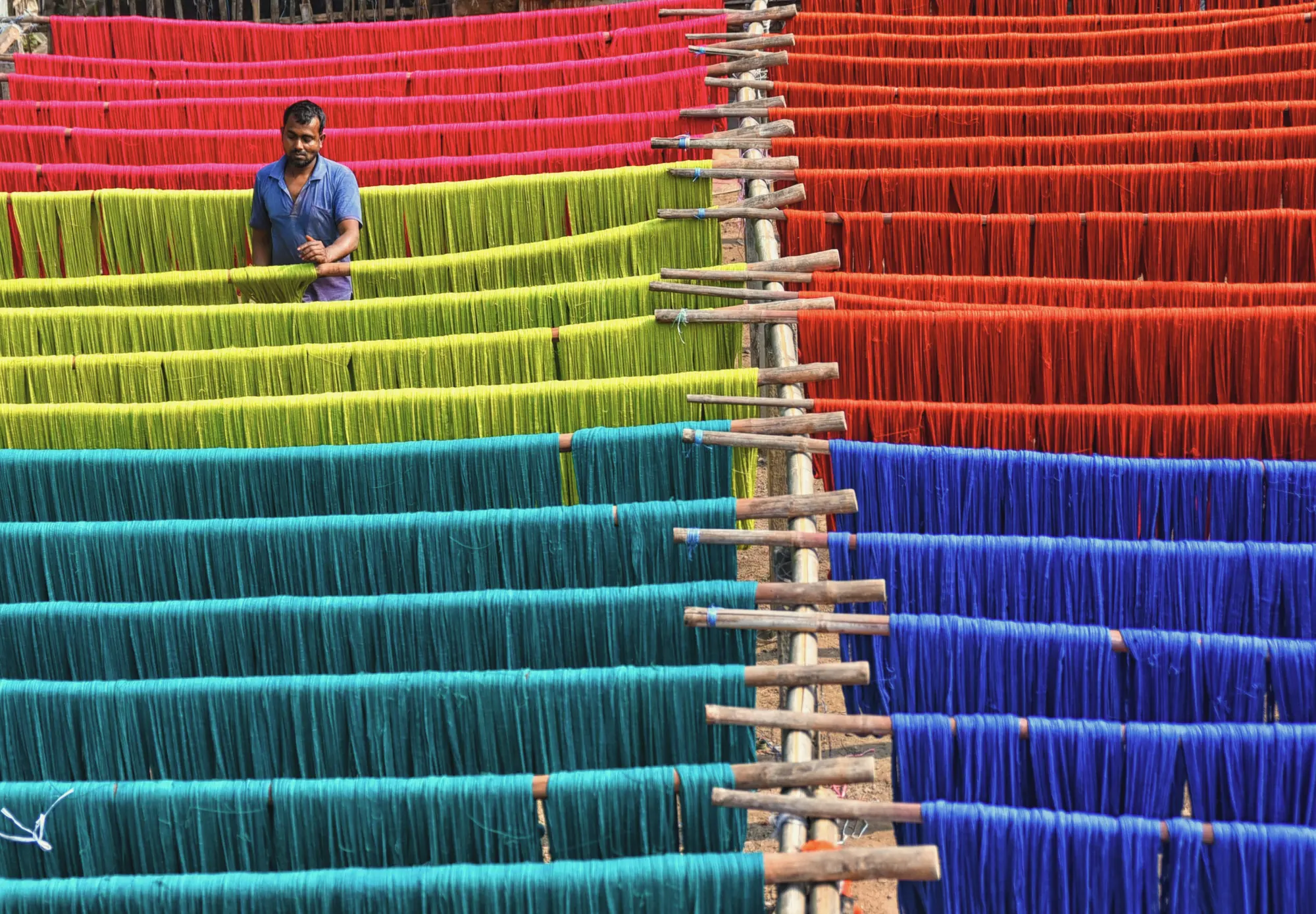
Before synthetic dyes, every colour on Indian cloth came from a leaf, a root, a fruit or iron. Scroll through four of the oldest, and the shades a dyer draws from each.
नील
nīl
i
Leaves of the indigo plant, Indigofera tinctoria
The leaves are steeped and fermented into a vat. Cloth comes out of it green-yellow and turns blue only as it meets the air. For centuries India supplied much of the world's indigo.
मंजिष्ठा
manjiṣṭhā
ii
Roots of Indian madder, Rubia cordifolia
With an alum mordant the roots give a bright, warm red. With iron, the same dye bath turns a deep purple-black. It is among the longest-lasting reds.
हल्दी
haldī
iii
The root of Curcuma longa
A bright, warm yellow that every Indian kitchen knows. It is the least lasting of the classic dyes: yellows fade faster than reds and blues.
हरीतकी
harītakī
iv
Fruit of the haritaki tree, with iron
Rich in tannin, myrobalan prepares cotton to hold other dyes. Brought together with iron it gives soft greys and the deep blacks of hand block printing.
Dye notes drawn from Garland Magazine on Indian natural dyes and Jamini: the art of natural dyeing in India. Swatches are illustrations of each dye's range.
vOld things
An old lamp or a weathered chest carries a life before yours. We write down what we know of it, and what we do not, before you decide.
viThe makers
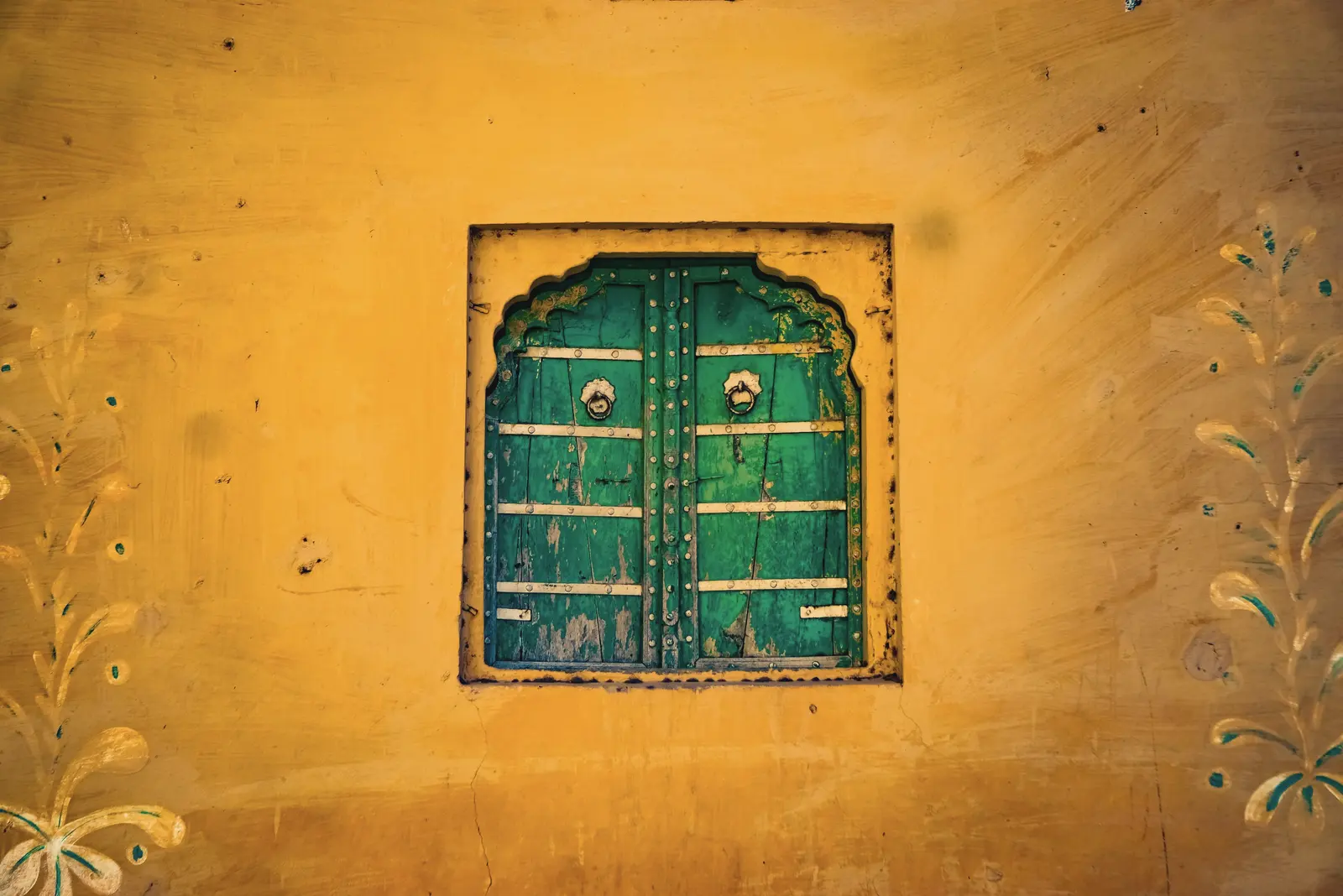
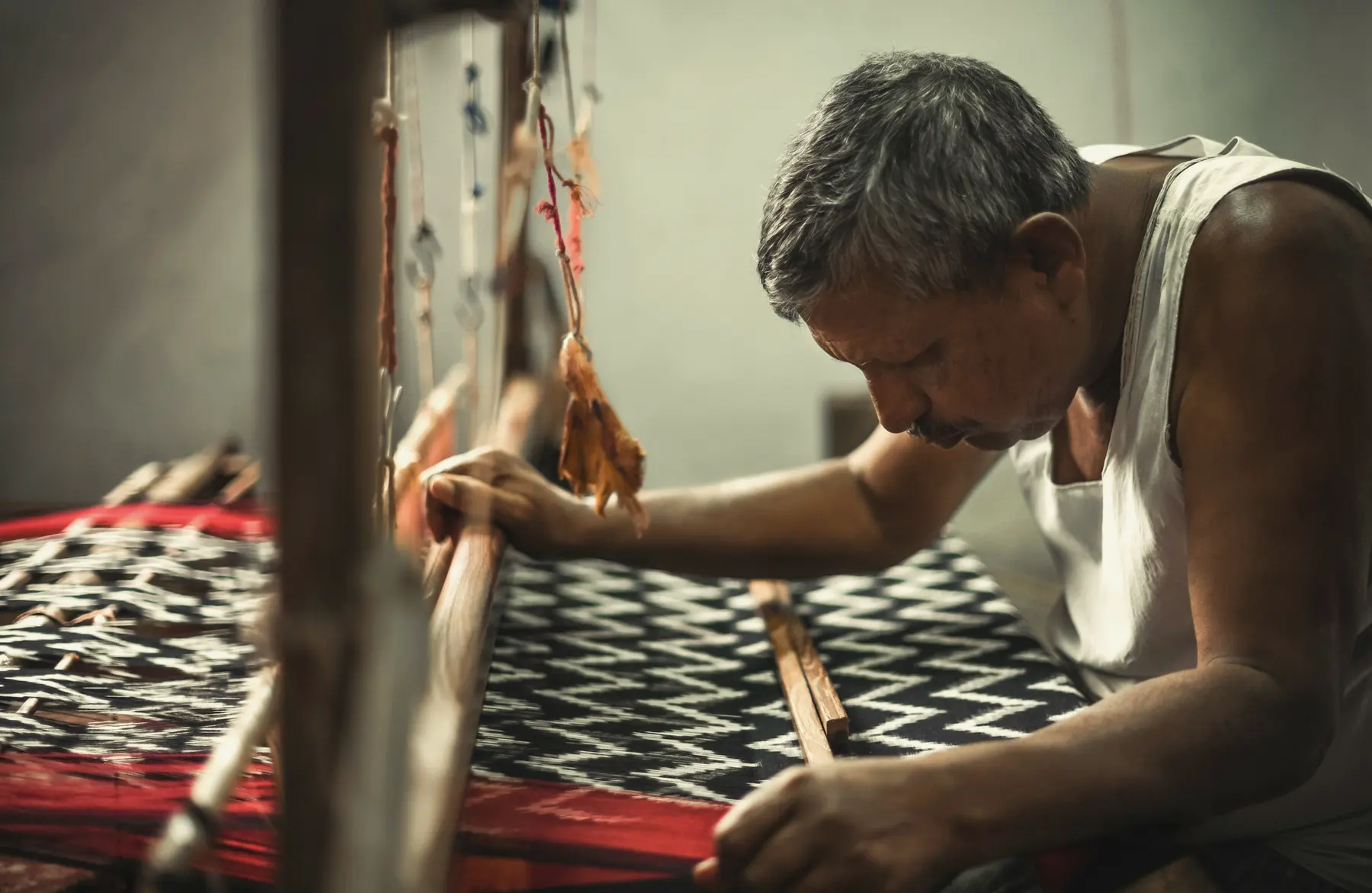
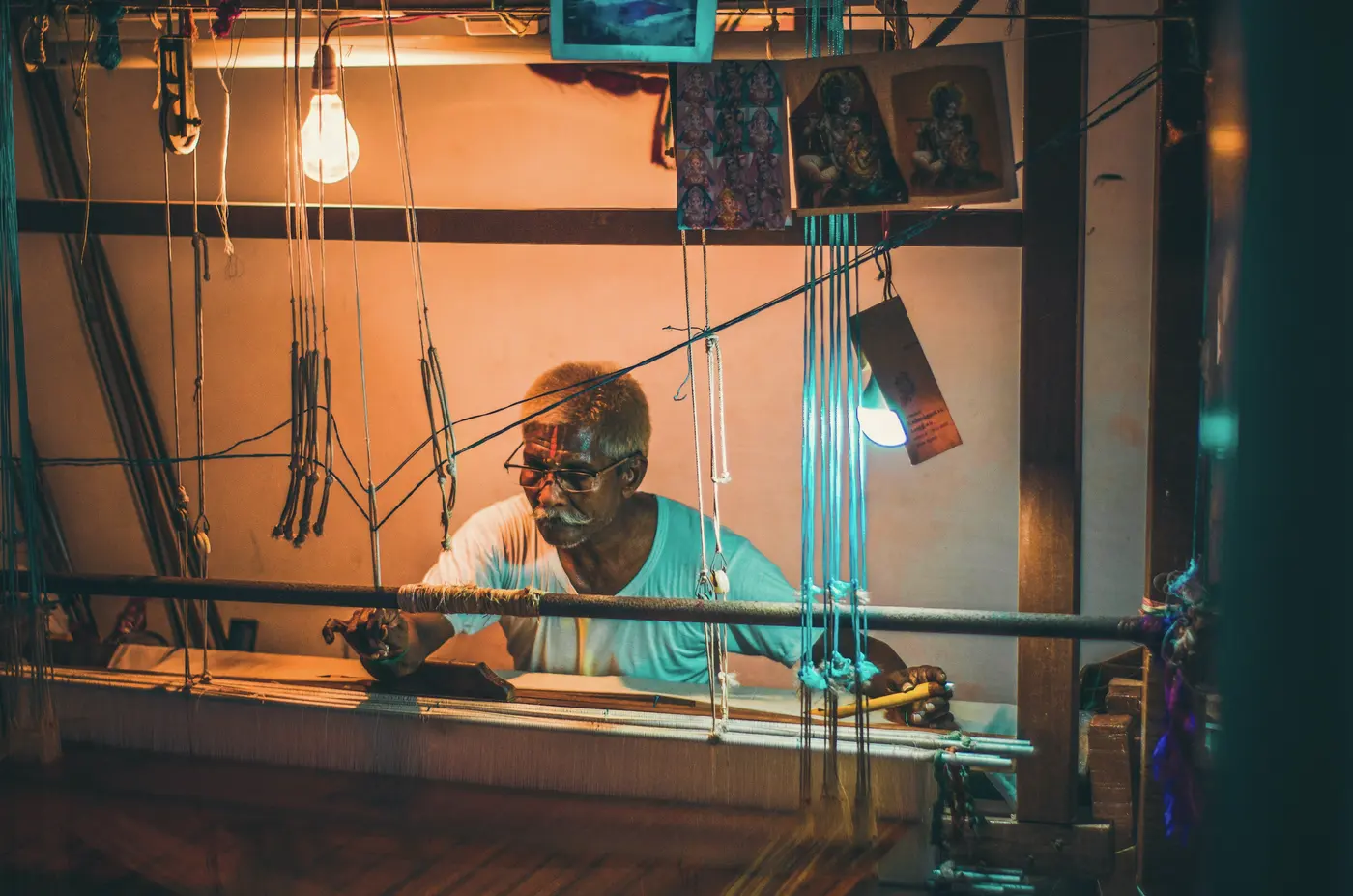
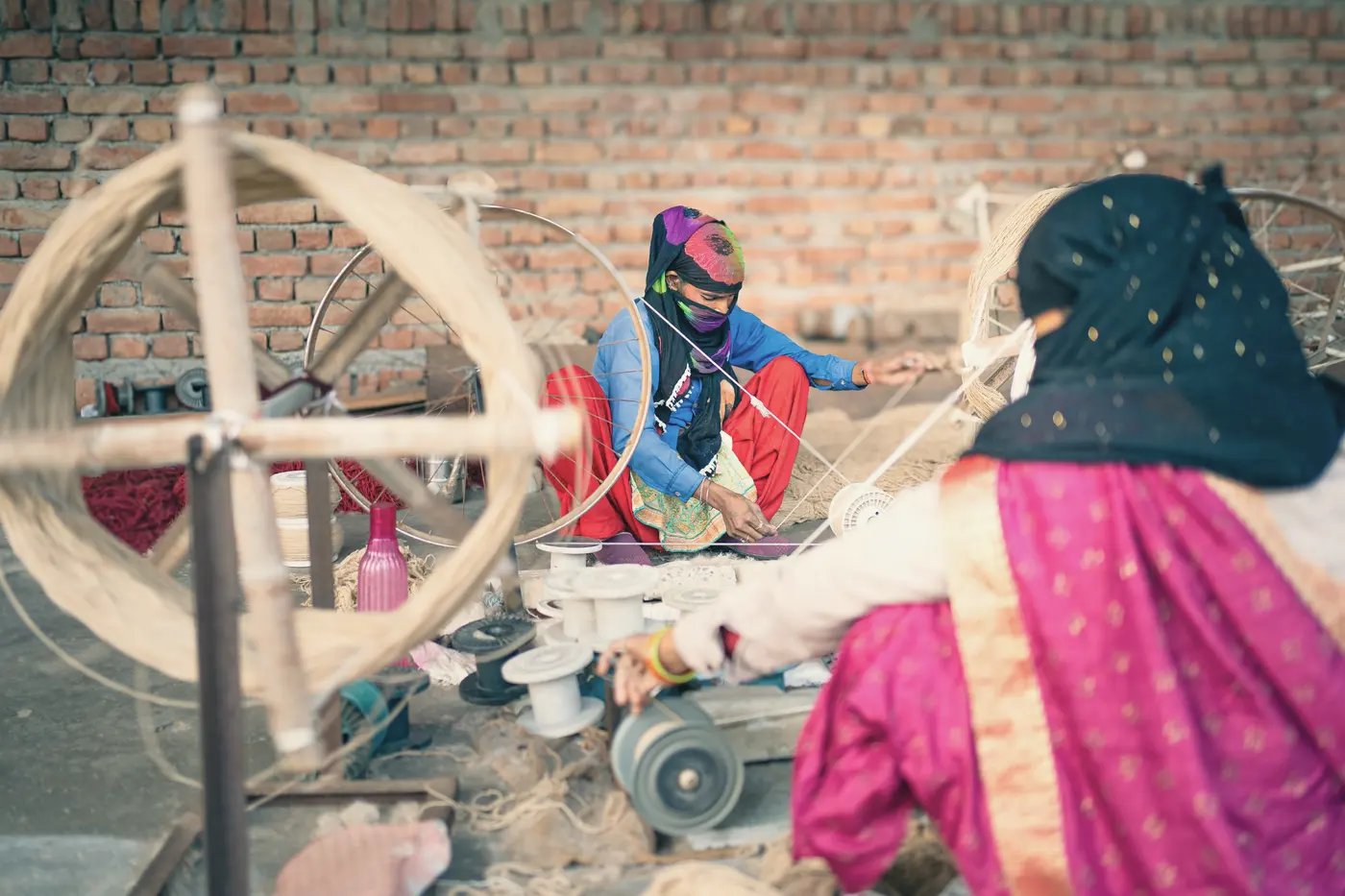
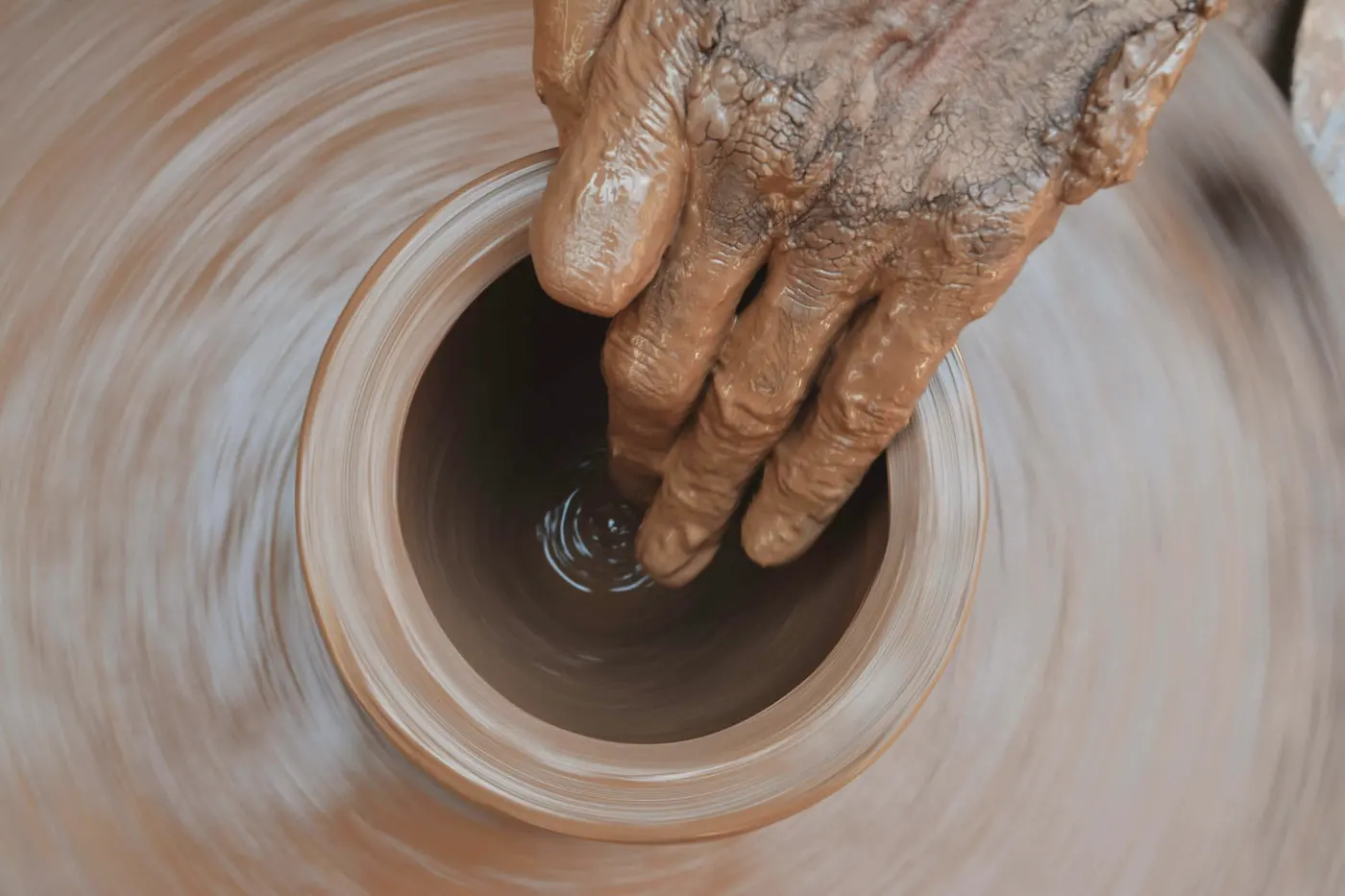
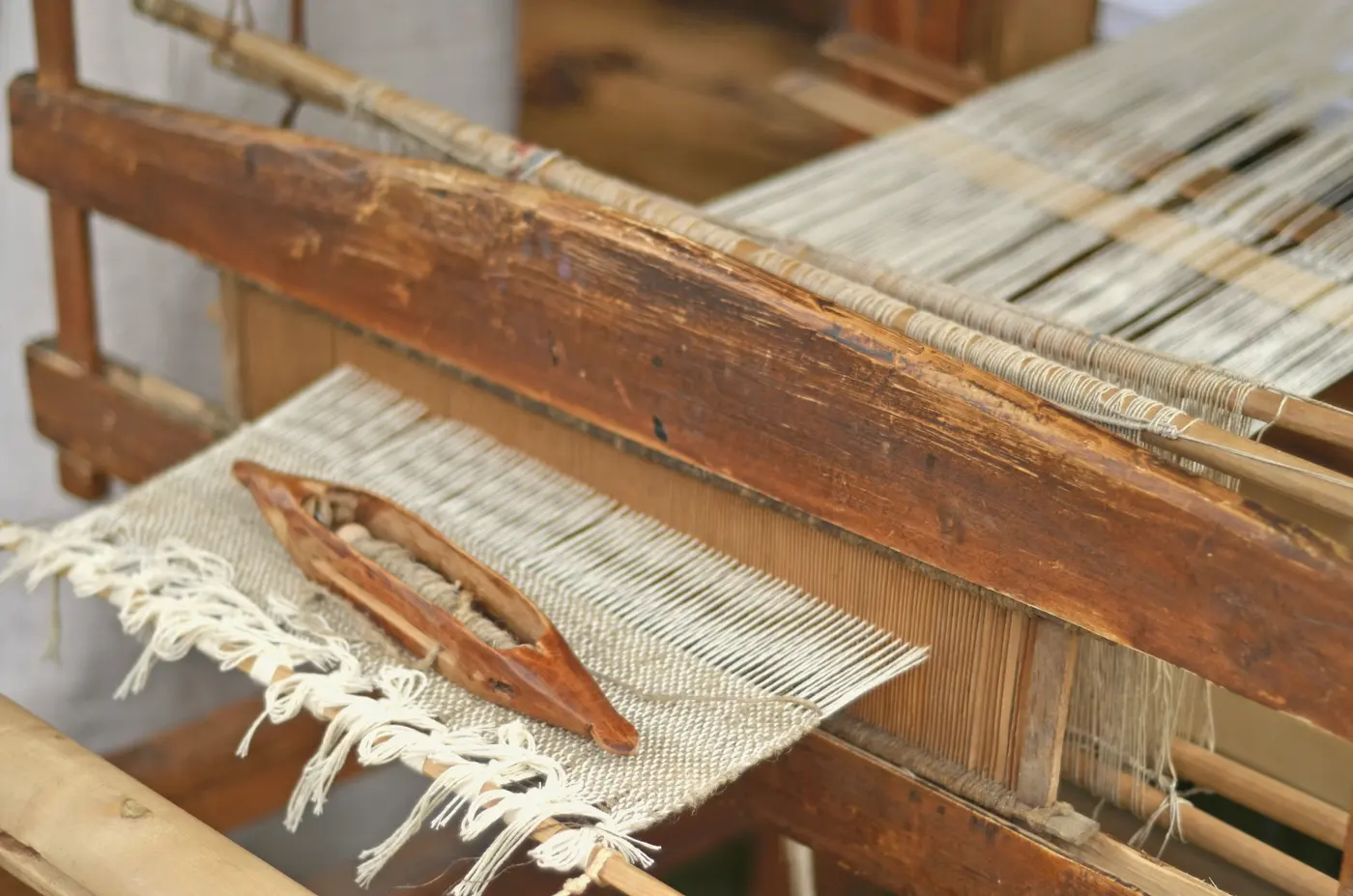
Weavers, spinners, dyers, potters and painters. Behind every piece is a person and a place, and we pass their story on with it.
viiA note from the studio
Sample text, to be written with the founder
I started Sutrayana because the most beautiful things I owned were made slowly, by people whose names I knew. Here you will find cloth that came off a loom, paintings made by hand, and old objects that have already lived one life.
Ask me anything about a piece: where it came from, how it was made, how to care for it. I would rather you buy one thing you love for life than ten you forget.
viiiHow to buy
No account, no cart. Just a conversation, the way buying something beautiful should feel.
A screenshot or the piece number on WhatsApp is enough.
We reply with close-up photos or a short video, and the price.
Wrapped in cotton and shipped across India [and abroad, to confirm].
By appointment, so the studio is yours for the hour.
Saris and pieces chosen together for weddings and family occasions.
Textiles, art and old pieces chosen for a room, a home or a hotel.
ixWords
Real words from the studio's collectors appear here, always with their permission.
[A collector's words about a piece they bought, used with permission]
[A collector's words about a piece they bought, used with permission]
xCare and questions
Handwoven cloth grows softer and richer with use. A few habits keep it that way for generations.
Dry-clean silk and zari for the first few washes. Air it in the shade after wearing, store it wrapped in soft cotton or muslin rather than plastic, and refold it along new lines every few months so the folds do not weaken the threads. Keep zari away from perfume.
Wash it by hand in cold water with a mild soap, separately for the first few washes, and dry it in the shade. Handloom cotton softens beautifully with every wash.
No. Slight variations in the weave or in a natural dye are the mark of hand work. We point out anything that is a real flaw before you buy.
Yes. Ask on WhatsApp and we will send close-ups or a short video in daylight, so you see the true colour.
[Shipping countries, costs and times, to confirm with the studio.]
Dry-clean silk and zari for the first few washes. Air it in the shade after wearing, store it wrapped in soft cotton or muslin rather than plastic, and refold it along new lines every few months so the folds do not weaken the threads. Keep zari away from perfume.
Ask us anything elsexiVisit
Handloom is best understood in the hand. Visits are by appointment, so the studio is yours for the hour.
Visits by appointment